
Engaging in activities or hobbies you enjoy can also provide healthy distractions and reduce the urge to drink. By the second week, you might feel a noticeable surge in energy and mental sharpness. Alcohol consumption can deplete your body’s energy stores and impair brain function. Without alcohol, your body begins to stabilize blood sugar levels and improve oxygen circulation, leading to improved alertness and productivity. The more you drink, the more likely it is that you’ll damage parts of your heart that you really, really need. If you drink a lot, you might notice heart symptoms that seem to be worse—like palpitations and higher blood pressure—when you first stop drinking.
However, individuals with AUD typically require more comprehensive interventions. This may include psychotherapy and/or medications to reduce cravings and improve their ability to reduce or stop drinking. Determining how much alcohol is too much is an individualized question and may depend on someone’s age and other health conditions. Additional research is needed to develop guidelines inclusive of taking a break from alcohol broader sex/gender spectrum. Inpatient or outpatient rehab programs offer structured environments where you can receive comprehensive care, including therapy, medication, and ongoing support. Because alcohol withdrawal can be dangerous—especially for those with severe alcohol dependence or a history of withdrawal complications—medical supervision is essential.
Better Sleep with No Drinking Habits
By replacing alcohol consumption with something fun or exciting, you’ll be able to maintain this lifestyle change better. Establishing clear, achievable goals is the first step to a successful journey. Whether your goal is to improve your health, save money or simply challenge yourself, having a well-defined purpose will keep you motivated throughout the month. Living an alcohol-free lifestyle can bring about a multitude of benefits that extend far beyond the concept itself.
Set a quit date
However, there are many lifestyle changes you can make, including taking a break from alcohol. Some people believe they can’t fall asleep without a glass of wine or a cocktail, but it isn’t true. It may help you fall asleep faster at night, but researchers found that it doesn’t help you stay asleep all night.
You’ll have more money.
- This could mean leaving alcohol off the supermarket shopping list, opting out of the weekly pub quiz for a few weeks, or choosing places to go out that don’t sell alcohol.
- Such benefits may motivate someone to continue reducing their drinking after Dry January ends.
- Alcohol irritates the gut and disrupts normal stomach functioning, causing bloating, indigestion, heartburn and diarrhoea.
It may not be easy, but the sense of achievement that comes with completing the challenge can be a real game-changer, boosting your confidence and self-esteem. We’re here to tell you that sleep troubles and mood shifts are par for the course in the early days of choosing not to drink. But worry not—a regular sleep schedule, some relaxation know-how and a good dose of exercise can work wonders.

The Alcohol Detox Timeline: What to Expect Day by Day
In this article, we’ll offer practical tips to support your success and address common challenges you might face when abstaining from alcohol. Whether you’re interested in improving your sleep or simply testing your willpower, we’ll help you decide if going from cocktail to mocktail is right for you. In addition to formal treatment and rehabilitation center options, consider exploring Oar Health, along with free helplines and online communities dedicated to helping individuals stop drinking. Groups such as Alcoholics Anonymous (AA) and SMART Recovery offer meetings, social events, and accountability. They also provide a structured way to share personal stories and hear from others on a similar path.
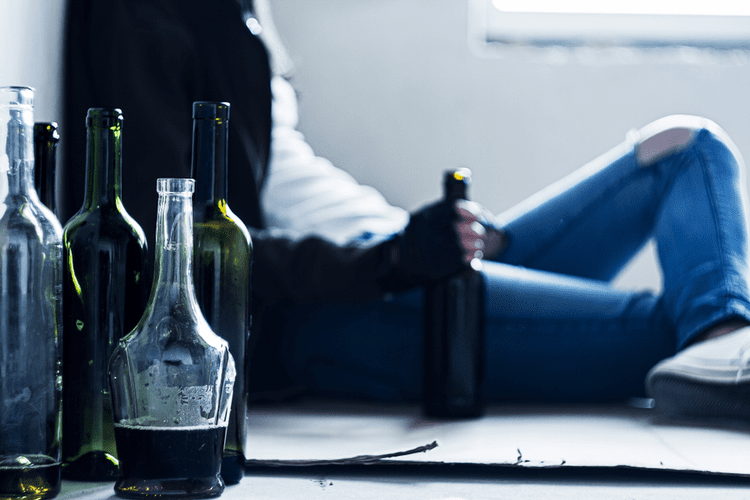
Tell close friends or family about your decision to quit alcohol so they can help hold you accountable. Because alcohol withdrawal can be dangerous for people who struggle with alcohol addiction, it’s also important that others know so they can keep an eye on any symptoms. Support groups like Alcoholics Anonymous (AA) or SMART Recovery for peer encouragement also exist to help you. Since alcohol dehydrates the body (hello, hangovers), it can cause skin dryness, wrinkles, and a dull complexion. That’s because dehydration leads to a breakdown of collagen and elastin fibers, which accelerates the formation of fine lines. Therefore, reducing or eliminating alcohol intake can help restore skin hydration—making it look more supple over time.

It may be that your drinking habits calm down after the novelty of celebrating a month or two of sobriety wears off, but Dr. Koob says it’s important to keep it on your radar so you can avoid overdoing it. Alcohol saps your body’s hydration—and it’s widely known that your skin needs hydration to stay plump and healthy. Josep Genebriera, M.D., a dermatologist at Advanced Dermatology and Cosmetic Surgery, points out that drinking causes both short-term flushing and long-term changes to your skin. When your body breaks down alcohol, it triggers the release of hormones like estrogen and histamine.
- Josep Genebriera, M.D., a dermatologist at Advanced Dermatology and Cosmetic Surgery, points out that drinking causes both short-term flushing and long-term changes to your skin.
- Knowing what happens when you stop drinking alcohol for an extended period can keep you motivated, especially when you see noticeable improvements in your daily life.
- Without alcohol, your body begins to stabilize blood sugar levels and improve oxygen circulation, leading to improved alertness and productivity.
- However, heavy, or regular drinking overwhelms this process, leading to liver damage over time.
- By the end of the first month, many physical health improvements become evident.
- Gradually decrease this number over subsequent weeks, ensuring each goal is achievable but challenging.
STEER: Steer Your Journey
Some people choose to continue their alcohol-free lifestyle after the 90 days are up, while others may decide to reintroduce alcohol in moderation. Either way, this period of reflection gives you the power to make more informed choices about your drinking habits moving forward. While some people turn to alcohol to cope with stress or anxiety, alcohol can actually worsen these issues over time.
Weaning off alcohol addiction requires a structured approach, and setting clear goals is the cornerstone of this process. Without defined milestones, the journey can feel overwhelming and directionless. As you approach the one-year mark, the cumulative benefits of your commitment to recovery become increasingly profound. Sobriety starts to feel less like a daily effort and more like a natural way of life. Some people choose to quit drinking for only a short period of time (like a few weeks to a few months) because they’re on a health kick.
If your drinking seems to be affecting your work or personal relationships—regardless of how much booze you’re knocking back—it’s time to consider taking it easy, he adds. Be aware that over-drinking doesn’t always look like you think it does. Here’s how to figure out Halfway house where you are on the alcohol use disorder spectrum.
Alcohol also increases inflammation, which can worsen skin conditions like acne, rosacea, and psoriasis. So, by quitting, you can actually reduce the risk of inflammation and promote healthier, clearer skin. “Fatty liver is a common phenomenon in individuals who drink heavily and regularly, leading to cirrhosis and end-stage liver disease,” says Mary Wirtz, MS, RDN, CSSD.